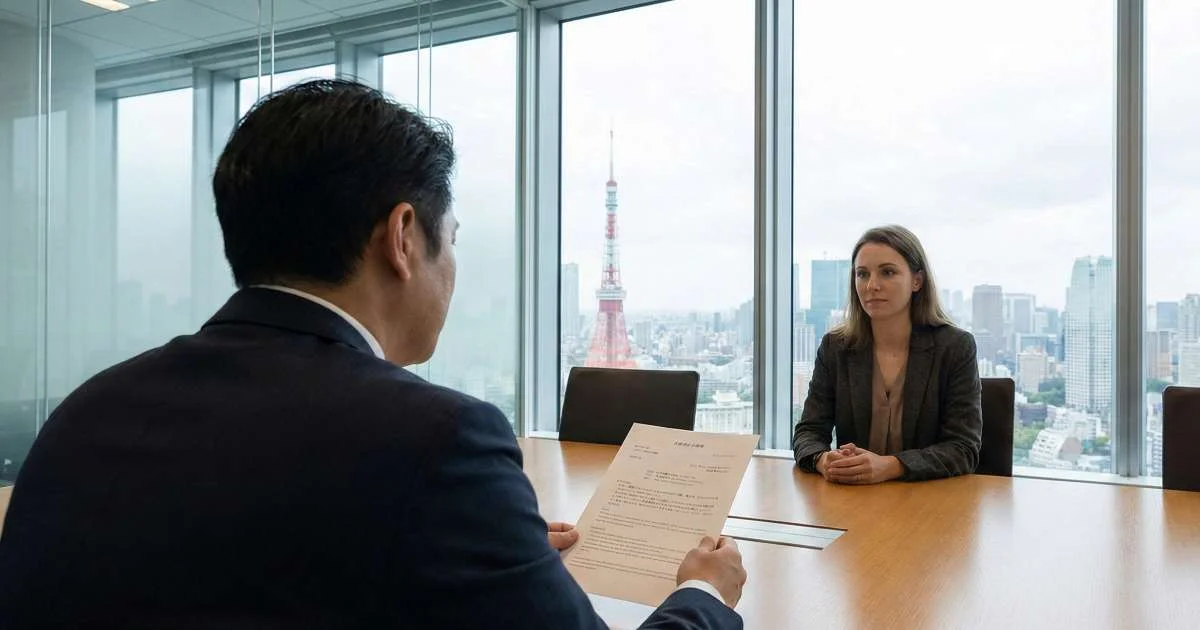

It is not just bad luck. After speaking with over 10 hiring managers in Japan, I saw the real patterns behind foreigner rejections: systemic expectations, communication norms, and risk avoidance.
If you've been applying for jobs in Japan and feel like you're constantly being rejected, it's not just bad luck. After speaking with over 10 hiring managers in Japan, I saw the *real patterns* behind foreigner rejections — and most are rooted in systemic expectations, communication norms, and risk avoidance rather than your ability or experience.
Here's what hiring managers *actually* look for — and why too many foreigners miss the mark.
1. Some Positions Simply Require Native-Level Japanese
In industries where you work closely with high-level stakeholders, perfect Japanese isn't just a "nice to have" — it's essential.
Examples include:
- Consulting firms working with government agencies, ministries, and public institutions
- B2B roles where nuance and formal language are critical
- Client-facing positions where honorific, polite Japanese is the day-to-day expectation
Even many Japanese employees struggle with formal business Japanese. According to an OECD survey of companies hiring foreign workers, over three-quarters expect advanced or near-native Japanese fluency — even for roles where English seems relevant on paper.
2. Strong Opinions Without Cultural Adjustment Can Hurt Your Case
Many foreigners are used to speaking directly, asserting opinions, and pushing ideas forward. In Japan, however, the hiring process — and corporate communication in general — often values cautious, detailed explanation and patience over bluntness.
Hiring managers repeatedly told me they reject candidates who:
- Present strong opinions without careful contextual explanation
- Talk past their interviewers instead of aligning with them
- Appear overly confident but miss the cultural nuance of hierarchy and consensus
This matches broader workplace trends in Japan: nearly 46% of Japanese employees report communication difficulties when working with foreign colleagues, with language and cultural nuance being major contributors.
3. Early Focus on Salary or Benefits Signals Low Commitment
As straightforward as it sounds, many hiring managers interpret early salary negotiations as a sign that a candidate is more interested in benefits than in contributing value.
Japan's corporate culture — especially in traditional firms — still prioritizes *commitment* and *long-term contribution before* compensation discussions. Discussing salary or perks too early can create the impression that you are not genuinely motivated by the mission or might leave early.
Hiring managers see this as risk, not assertiveness — especially for foreign candidates who are already perceived as higher risk due to language or visa concerns.
4. Job Hopping or Unclear Reasons for Changing Jobs Are Red Flags
In many countries, changing jobs every 1–2 years is normal. In Japan, it still raises eyebrows — especially for foreigners.
About 50% of companies may reject a resume outright if they see frequent job changes, according to insights from recruiters and hiring managers I spoke with. This is because frequent moves signal instability and managers worry you won't invest in long-term success.
Instead of just listing roles, Japanese applicants — especially foreigners — *must explain transitions carefully*.
5. Visa Risk Is Always on the Hiring Manager's Mind
This one is rarely said openly — but it's always evaluated. Many companies are willing to extend an existing visa, but fewer are comfortable sponsoring a new one.
Official surveys show that around 70% of Japanese companies feel they lack sufficient understanding of visa requirements and how to employ foreigners securely. Even if the company likes you, uncertainty about visa status can be all it takes to move on to a *safer* candidate.
What This Means for You
If you want to succeed in Japan, you need to stop treating it like any other job market. Start by:
- Targeting roles that realistically match your Japanese level
- Framing your communication *in culturally aligned styles*
- Showing motivation and contribution before negotiating benefits
- Explaining job changes with clarity and narrative
- Making your visa situation simple, like considering student visa and convert it to work visa once you are in Japan
Once you shift from "prove you can work" to "prove you're safe to hire," your chances improve dramatically.